
LONDONDERRY NH – JUNE 2026
The Hidden Cost of Heat
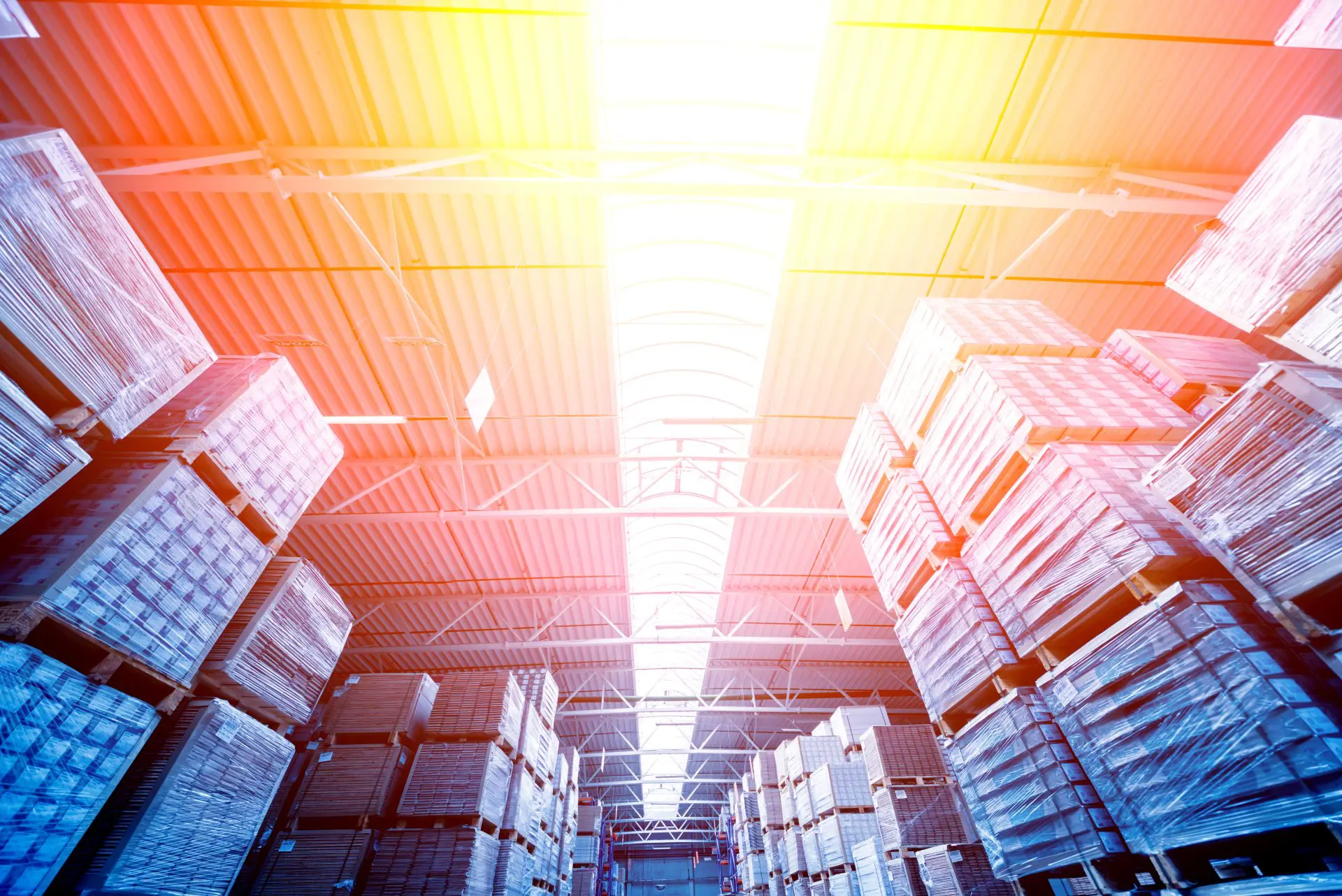
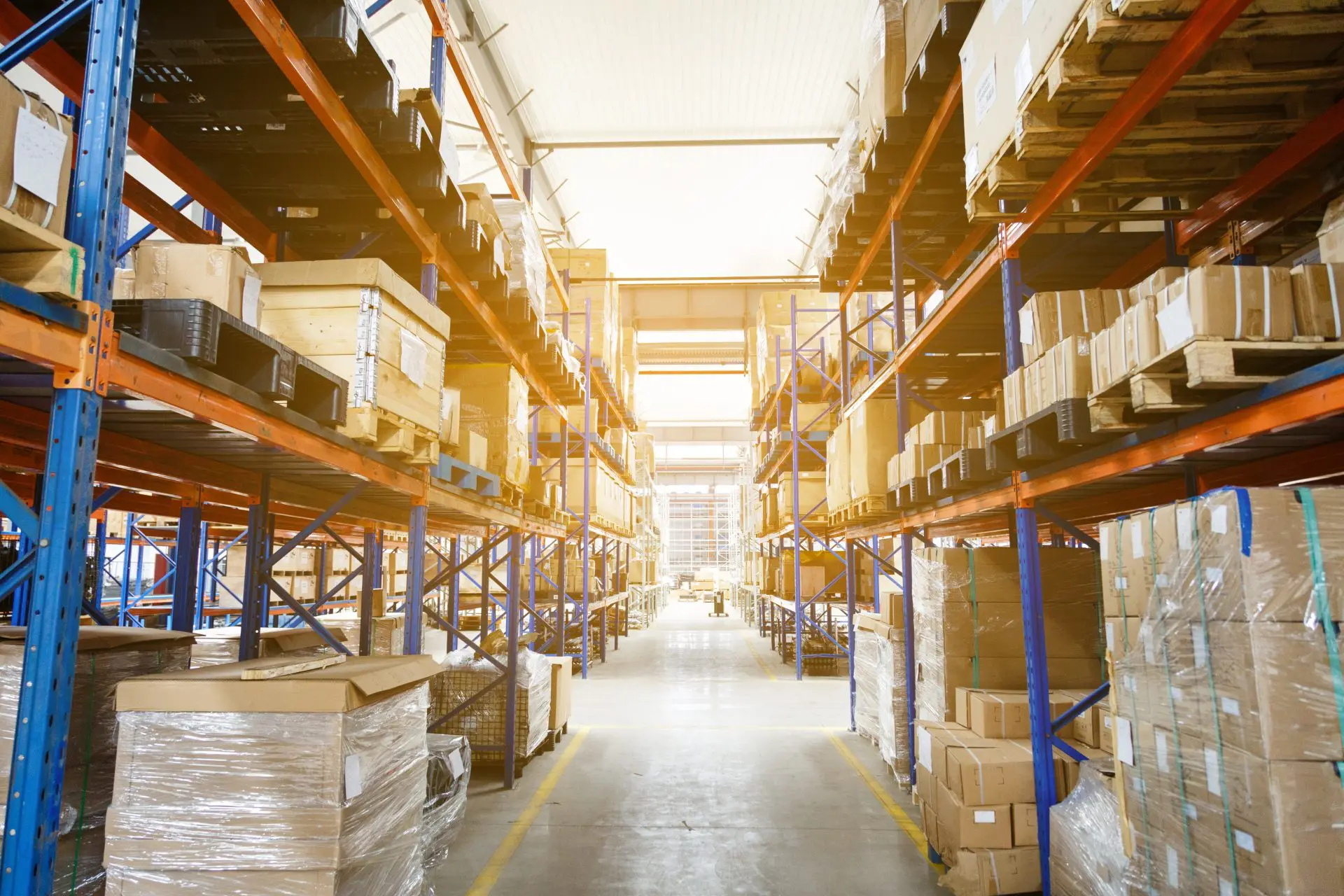
When summer temperatures rise, warehouses often become some of the hottest places to work. In many facilities, indoor temperatures can reach 10 to 20 degrees above the outdoor temperature, with loading docks, upper-level work areas, and parked trailers becoming especially uncomfortable. Left unchecked, excessive heat can affect employee comfort and productivity while also creating risks for equipment and inventory.
Click on a photo to view full-sized.
The Impact of Heat on Your Operation
Personnel
Heat stress can affect anyone working in hot conditions, but employees performing physically demanding tasks for extended periods are especially vulnerable. It is important to remember that heat stress does not always require extreme temperatures. Workers who are not acclimated to the heat, take certain medications, or have underlying health conditions may be affected much more quickly.
Beyond the safety concerns, excessive heat can also impact productivity. As workers begin to overheat, they naturally slow their pace to avoid exhaustion. Mental fatigue can also increase the likelihood of errors, while the need for more frequent breaks can reduce overall efficiency. In severe cases, heat-related illnesses may even result in additional absences and lost workdays.
Equipment
Uncontrolled heat can also take a significant toll on warehouse equipment. Elevated temperatures accelerate the breakdown of lubricants and oils, reducing their effectiveness and leaving critical components vulnerable to premature wear.
Electrical systems are also in danger. Batteries, sensors, motors, and circuit boards can all be affected by prolonged exposure to heat. Temperature fluctuations and excess moisture can contribute to oxidation, corrosion, and component failure, potentially leading to costly repairs and unplanned downtime.
Inventory
Inventory is another area that can suffer when warehouse temperatures are left unchecked. Excessive heat and humidity can accelerate chemical reactions, promote mold growth, and shorten the shelf life of temperature-sensitive products. Food, beverages, cosmetics, and other sensitive materials may spoil, separate, or degrade long before their expected expiration dates.
High humidity and frequent temperature swings can also damage packaging and raw materials. Wood may warp, paper products can deteriorate, plastics may crack or deform, and metal components can develop rust.
Why Traditional Solutions Fall Short
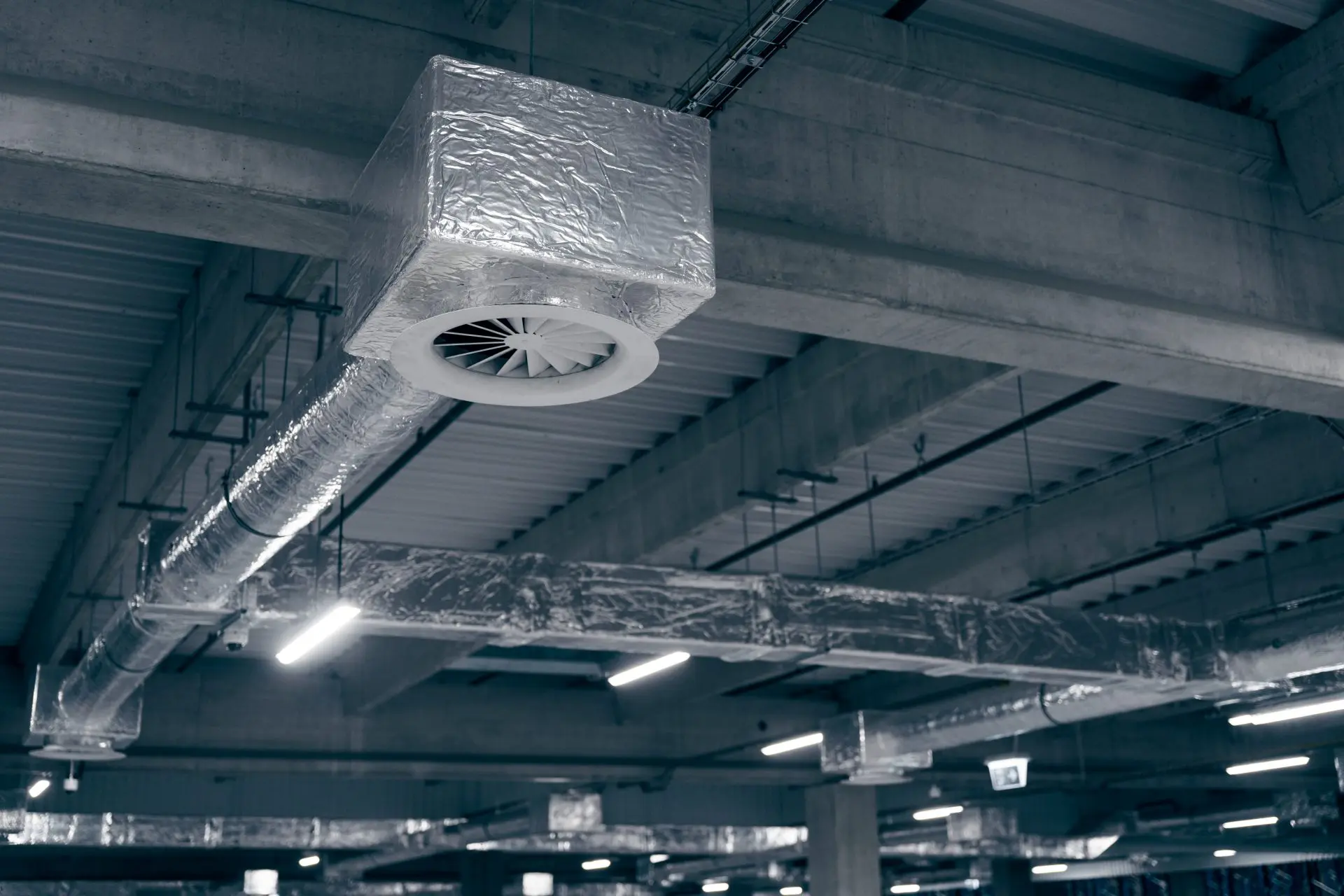
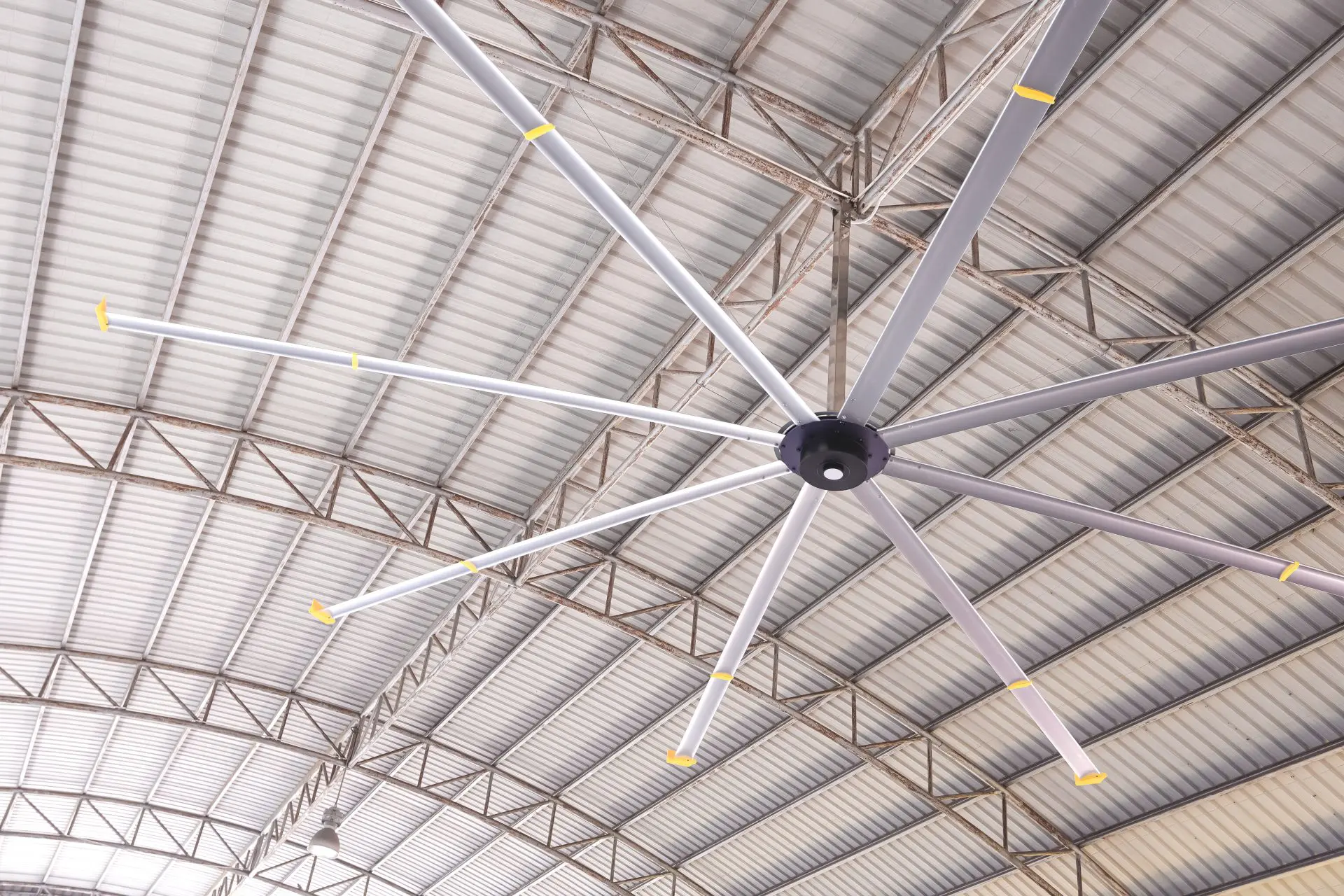
Many facilities rely on fans and ventilation systems to combat the heat. While these solutions can improve air circulation and make workers feel more comfortable, they do not actually reduce the air temperature or control humidity levels.
Some facilities attempt to cool the entire warehouse with large-scale HVAC systems. However, maintaining consistent temperatures throughout a large warehouse can be difficult and expensive. High ceilings, large open spaces, and frequent loading dock activity allow conditioned air to escape while outside heat continually enters the building. As a result, these systems often struggle to provide the precise environmental control needed to protect sensitive equipment, inventory, or work areas.
Click on a photo to view full-sized.
The Case for Climate-Controlled In-Plant Buildings
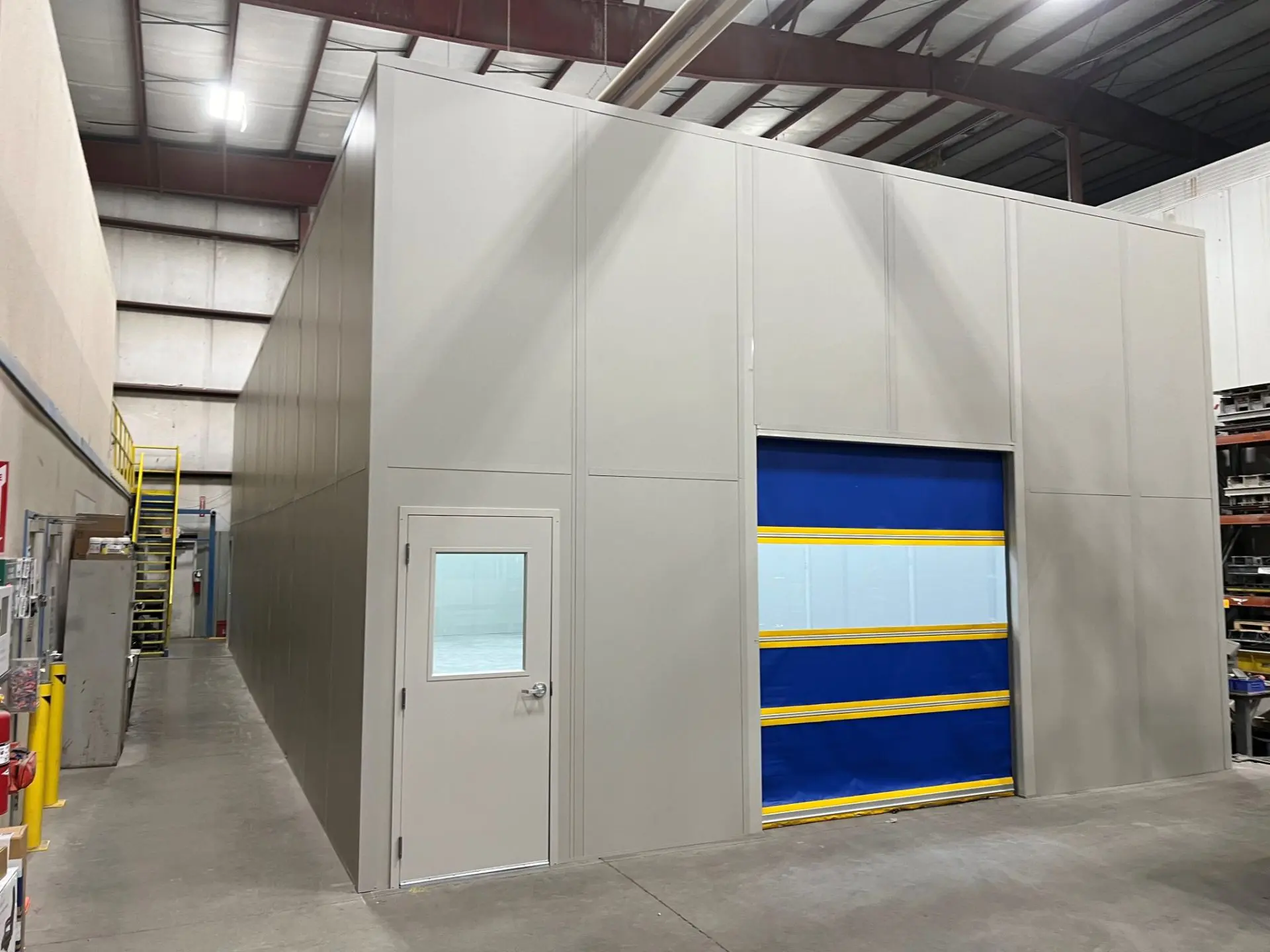
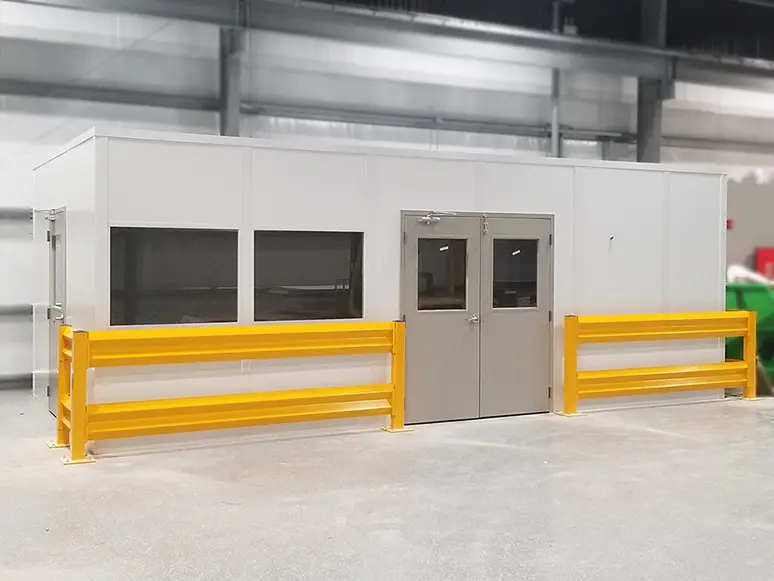
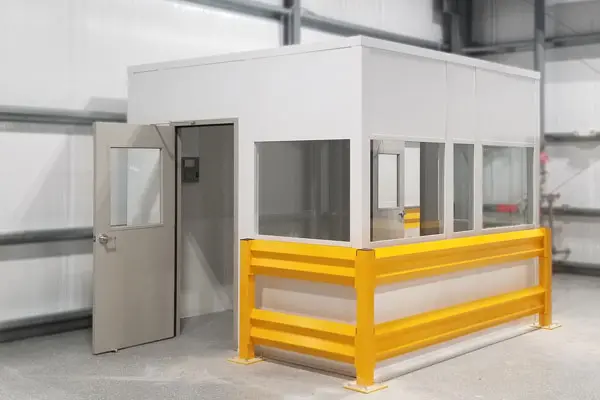
Climate-controlled in-plant modular buildings offer a more targeted and efficient solution. Rather than trying to cool an entire warehouse, these structures allow you to create a controlled environment exactly where it is needed most.
Whether you’re protecting temperature-sensitive inventory, housing critical equipment, or creating a more comfortable workspace for employees, climate-controlled in-plant modular buildings provide reliable temperature and humidity control within a fully insulated space. As operational needs change, these structures can often be expanded, reconfigured, or relocated, providing the flexibility to grow alongside your facility.
Click on a photo to view full-sized.
Key Benefits
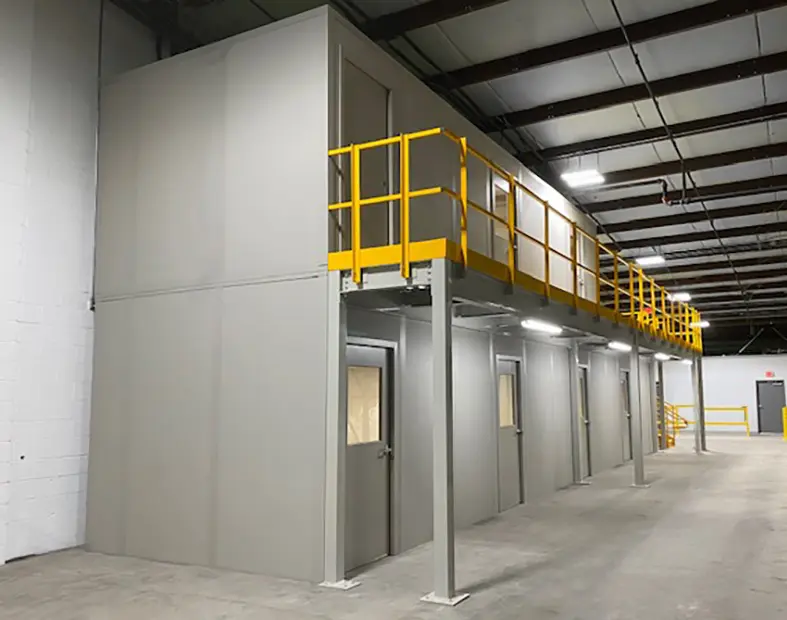
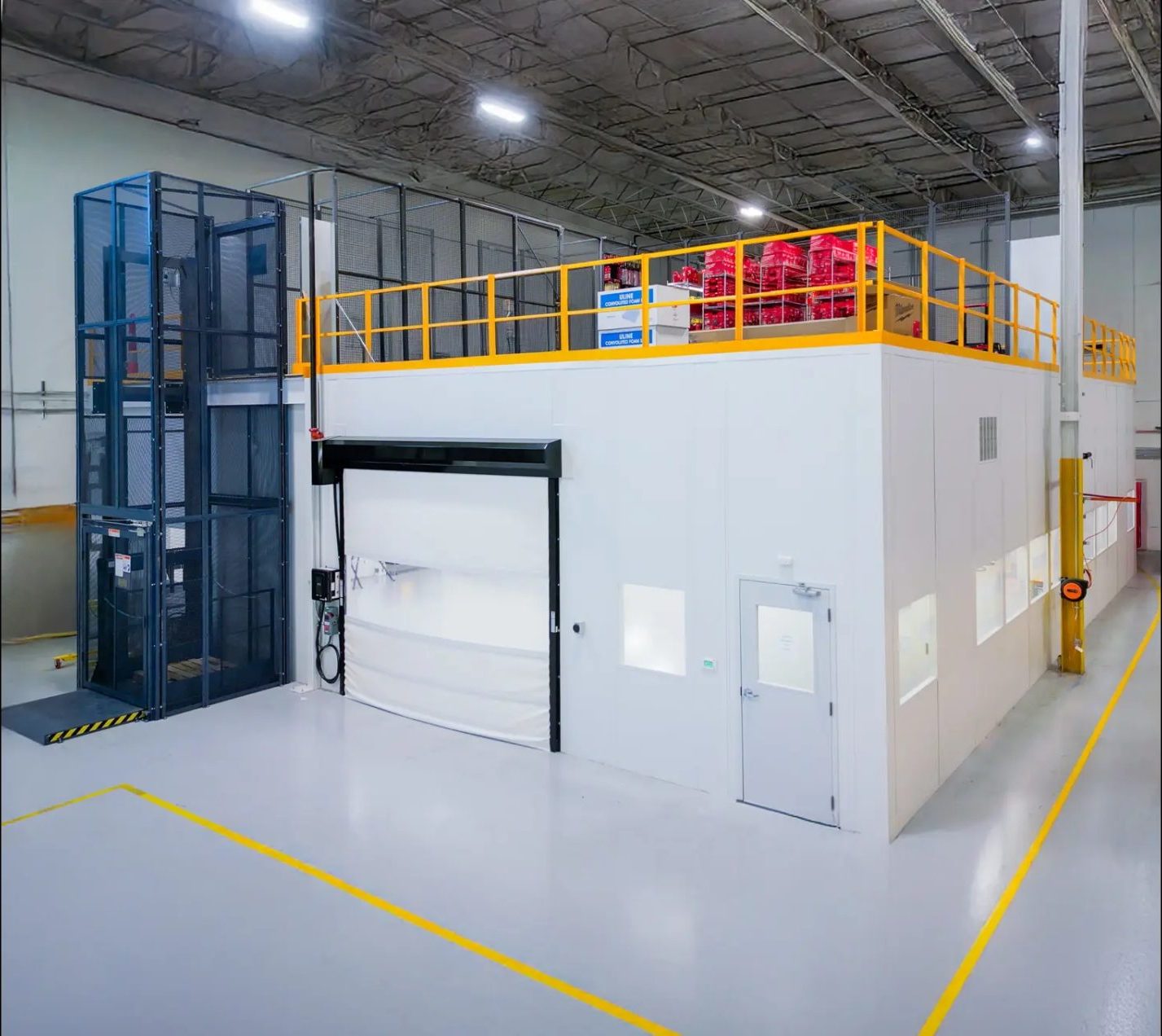
Climate-controlled in-plant modular buildings provide benefits that extend far beyond employee comfort. By creating a controlled environment within your facility, you can improve productivity, protect valuable assets, and reduce operational disruptions.
Employees can perform their duties in a comfortable workspace, helping reduce fatigue, heat-related illnesses, and mistakes caused by mental and physical exhaustion. When workers are comfortable, productivity remains more consistent throughout the day, resulting in fewer interruptions and less downtime.
Climate-controlled spaces also help protect sensitive equipment and machinery from excessive heat and humidity. Maintaining optimal operating conditions can extend equipment life, reduce maintenance requirements, and minimize costly repairs and unplanned downtime.
Click on a photo to view full-sized.
Common Applications
Climate-controlled in-plant modular buildings can be used in a wide variety of applications throughout a warehouse or manufacturing facility, including:
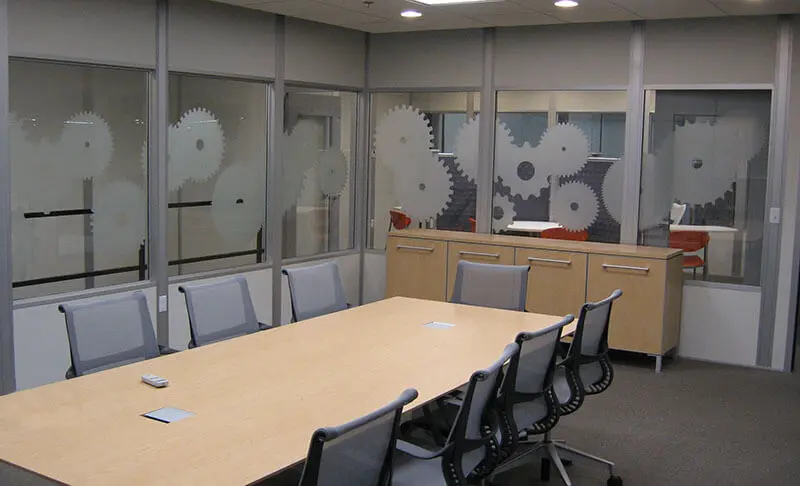
- Supervisor and Administrative Offices – Provide floor managers, shipping personnel, and supervisors with a comfortable workspace for administrative tasks, planning, and logistics management.
- Quality Control and Testing Labs – Create a stable environment for testing, inspection, and quality assurance processes while protecting sensitive measurement equipment.
- Server Rooms – Safeguard servers, networking equipment, and other critical IT infrastructure from excessive heat, humidity, dust, and debris.
- Break Rooms and Restrooms – Give employees a comfortable space to relax, recharge, and escape the noise and heat of the warehouse floor.
- Temperature-Controlled Storage Areas – Protect temperature-sensitive products such as pharmaceuticals, electronics, food and beverage products, and other materials that require consistent environmental conditions.
Click on a photo to view full-sized.
Conclusion
As temperatures continue to rise, facilities need practical solutions that go beyond temporary fixes. Climate-controlled in-plant modular buildings provide a flexible way to create stable, comfortable environments where they are needed most, helping businesses support their workforce, protect valuable assets, and maintain operational efficiency throughout the hottest months of the year.
If you’re looking for a better way to protect your people, equipment, or inventory from the heat, contact us today to discuss your facility’s needs and explore the right solution for you.